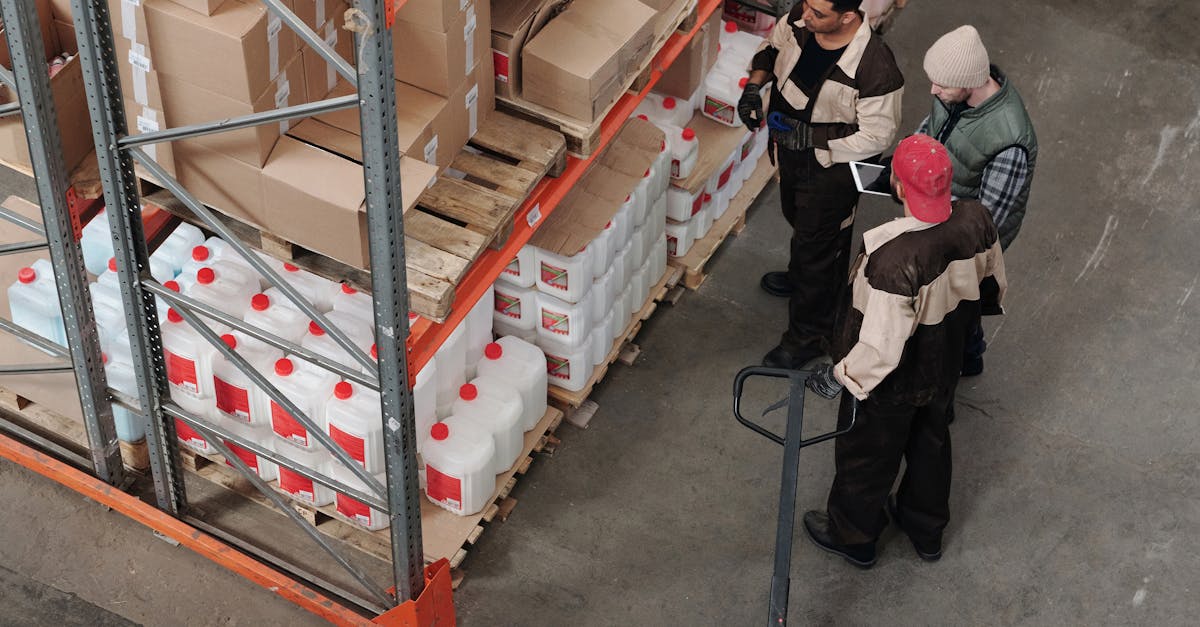
Why businesses should use ocean freight forwarding services
Cargo Safety and Security
The integrity of goods during transport is a paramount concern for businesses engaging in international trade. By utilising ocean freight forwarding services, companies gain access to a robust framework that prioritises cargo safety. This includes comprehensive insurance options and compliance with international safety regulations. Reliable forwarders implement a series of protocols such as secure packaging, careful loading procedures, and constant monitoring of shipments throughout transit.
Additionally, many service providers offer real-time tracking systems that allow businesses to monitor their cargo's journey across the seas. This transparency enhances accountability and provides peace of mind, knowing that any potential issues can be addressed promptly. By choosing experienced ocean freight forwarders, businesses can significantly reduce the risks associated with shipping, ultimately safeguarding their investments and boosting customer trust.
Protecting Goods During Transit
Ensuring the safety of cargo during transit is paramount for any business relying on ocean freight. Proper packaging and handling can significantly reduce the risk of damage. Many freight forwarders offer specialised services that take into account the nature of the goods being shipped. This attention to detail includes using appropriate materials and techniques designed to cushion and secure items within the shipping containers.
Additionally, ocean freight forwarding services implement stringent security measures at various points throughout the shipping process. Enhanced tracking systems allow businesses to monitor their cargo in real-time, providing peace of mind. Advanced security protocols at ports help to prevent theft and tampering, further safeguarding the integrity of the shipments. Through these combined efforts, businesses can be assured that their goods will arrive at their destination in optimal condition.
Efficient Supply Chain Management
Businesses benefit greatly from the integration of ocean freight forwarding services into their supply chain management. These services enhance the overall efficiency of the logistics process. They connect various transport modes and facilitate smoother transitions between ports and warehouses. This consolidation results in reduced delays that can plague less coordinated shipping strategies.
The improved visibility offered by these services enables companies to track their shipments in real-time. Such transparency fosters better decision-making and allows for adjustments in inventory or shipping routes as required. Additionally, leveraging the expertise of freight forwarders can lead to significant reductions in costs associated with shipping logistics. This approach ensures that companies remain competitive and responsive to market demands.
Streamlining Shipping Processes
Businesses can greatly benefit from the systematic approach to managing shipments that ocean freight forwarding services offer. These professionals have the expertise to handle complex logistics, allowing companies to optimise their shipping processes. By acting as intermediaries between the shipper and various carriers, freight forwarders can coordinate shipments effectively, reducing delays and ensuring smooth transitions between different transport modes.
Moreover, freight forwarders are adept at navigating international regulations and customs requirements. This skill helps to minimise the risk of compliance-related issues that can derail shipping schedules. By employing these services, companies can focus on their core operations while knowing that their cargo movements are being managed by knowledgeable experts. Structured processes enhance visibility and tracking, which further supports efficient management of the supply chain.
Flexibility in Shipping Options
Businesses often face unique shipping needs based on the nature of their products and market demands. Ocean freight forwarding services provide a wide range of shipping options, allowing companies to choose the most suitable method for their supply chains. This flexibility enables businesses to select between full container loads, less than container loads, and even breakbulk shipping. Each option caters to different volume requirements that align with various cost structures and delivery timelines.
Additionally, companies can take advantage of custom-tailored solutions offered by freight forwarders. These experts understand the nuances of international shipping and can facilitate specific requests, such as temperature-controlled containers for perishable goods or expedited services for time-sensitive shipments. This capacity to adapt to individual shipping demands significantly enhances operational efficiency while ensuring that businesses can respond effectively to fluctuations in their market conditions.
Customising Solutions to Fit Business Needs
Businesses often face unique challenges when it comes to shipping logistics. Ocean freight forwarding services can provide tailored solutions that align with specific operational requirements. By assessing factors such as cargo type, volume, and destination, freight forwarders can suggest shipping methods and routes that enhance efficiency. This level of customisation ensures that companies receive the best shipping options suited to their individual needs.
Moreover, the flexibility offered by ocean freight services allows businesses to adapt their logistics strategies as they grow or encounter changing market demands. A tailored approach can include managing seasonal fluctuations in inventory or reacting to unexpected delays. This ability to modify strategies not only improves overall supply chain performance but also fosters a more resilient business model capable of navigating the complexities of global trade.
FAQS
What is ocean freight forwarding?
Ocean freight forwarding is a service that assists businesses in transporting goods internationally by sea. It involves coordinating shipping logistics, managing documentation, and ensuring compliance with regulations to facilitate efficient transit.
How does ocean freight forwarding enhance cargo safety and security?
Ocean freight forwarders implement various measures to protect goods during transit, such as using secure packaging, tracking shipments, and managing insurance to mitigate the risk of loss or damage.
What benefits does efficient supply chain management offer through ocean freight forwarding?
Efficient supply chain management streamlines shipping processes, reduces delays, and optimises routes, leading to lower shipping costs and timely deliveries, which ultimately enhance overall business operations.
Can ocean freight forwarding services offer flexibility in shipping options?
Yes, ocean freight forwarding services provide flexibility by offering various shipping methods and schedules, allowing businesses to customise solutions that best fit their needs and priorities.
How can businesses ensure they choose the right ocean freight forwarder?
Businesses should evaluate potential freight forwarders based on their industry experience, range of services, customer reviews, and ability to provide tailored shipping solutions to meet specific requirements.
Related Links
The history of ocean freight forwardingWhy is ocean freight forwarding crucial for international trade
Roundup of ocean freight forwarding trends in 2023
Review of the top ocean freight forwarding companies
10 benefits of using ocean freight forwarding
What is ocean freight forwarding
What to consider when selecting an ocean freight forwarder
How to streamline your ocean freight forwarding process